Linear parks are characterized by their long, narrow shape, often following existing linear features like roads, former railway lines, rivers, or utility corridors. These parks serve as recreational pathways for activities such as walking, jogging, and cycling, effectively connecting different neighborhoods. If wide enough, they may include small casual use areas, community gardens, or playgrounds. Beyond recreation, linear parks enhance ecological connectivity, and can repurpose underutilized land into valuable community assets.
Typical Size
<20
Typical Length of Visit (Hours)
1–2
Typical Access
Linear parks should be accessible by sidewalks, local streets, and the trail network. With frequent entry points, they should connect seamlessly to surrounding neighborhoods. On-street parking may be available nearby.
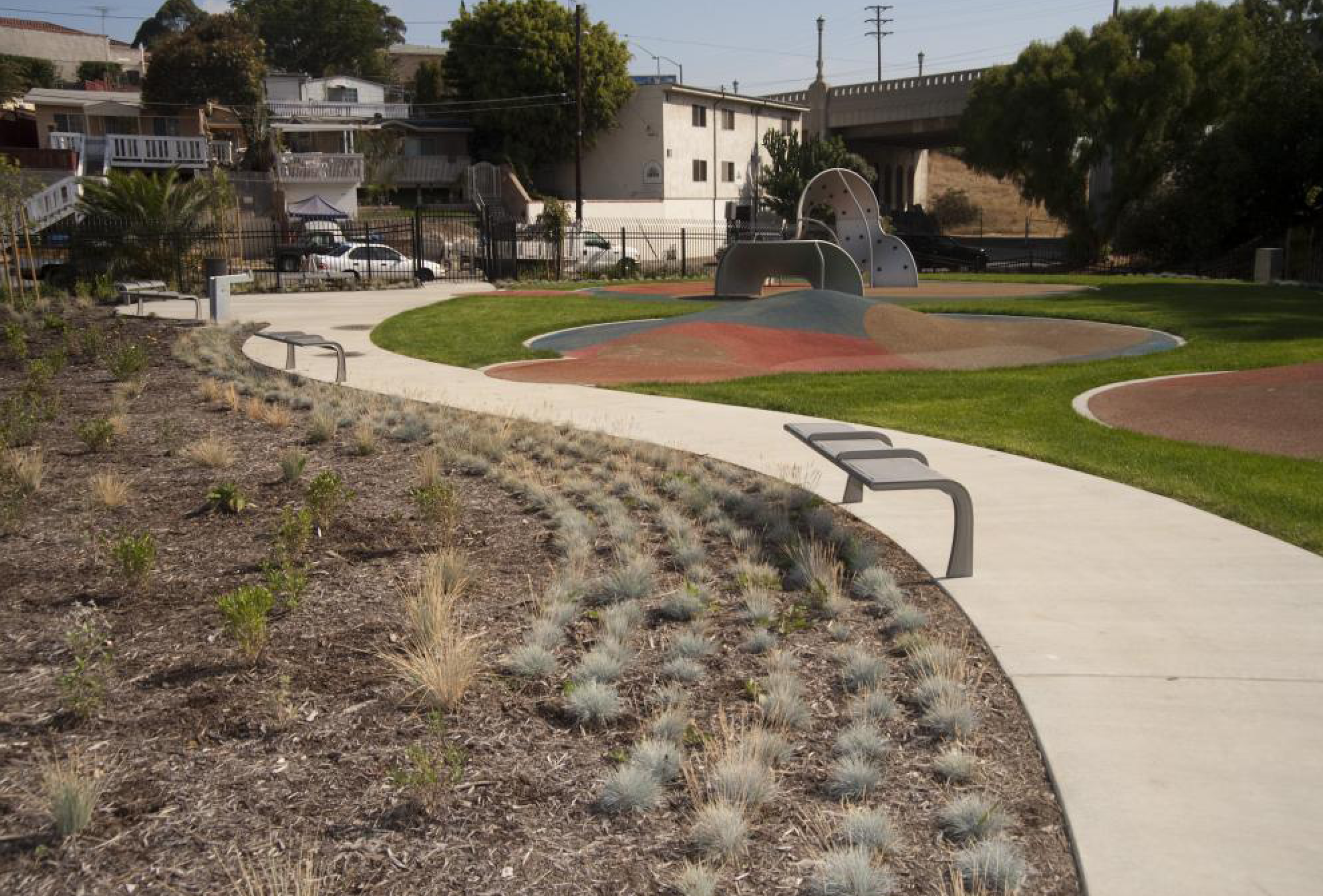
Bandini Canyon Park is a quiet space for hiking, walking, and picnicking.
City of LA Department of Recreation and Parks, accessed 2025.
Typical Amenities


































Infrastructure



Typical Architectural Elements























Guidelines for Linear Park
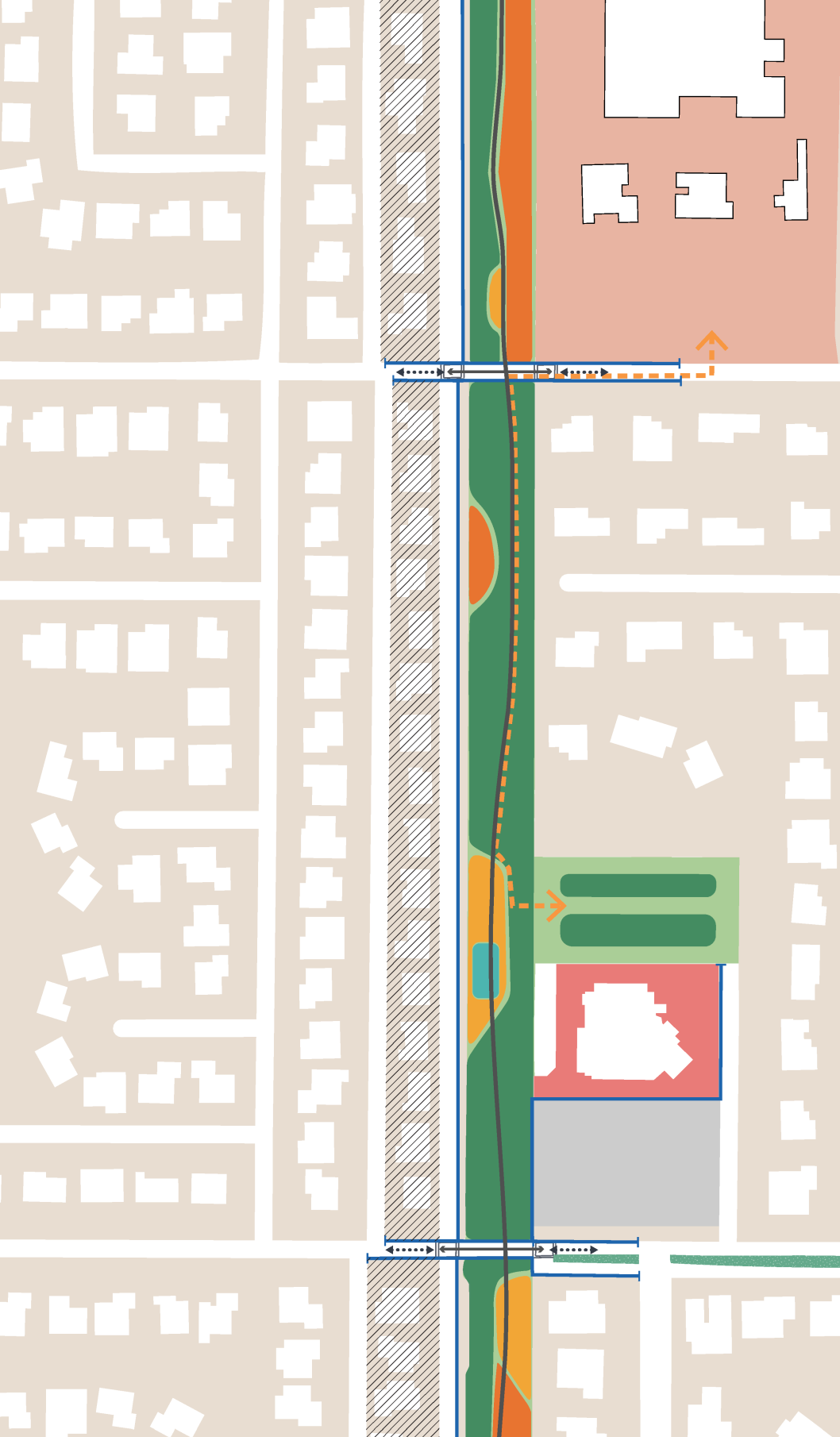












Zones
Recreation Areas
Zones
Natural Systems
COMMUNITY GARDEN
Zones
Natural Systems
Infrastructure
On-Site Parking
Infrastructure
Shared Parking
Infrastructure
Comfort Facilities
Wayfinding
Gateways (Primary and Secondary)
Wayfinding
Gateways (Primary and Secondary)
Natural areabuffers street
edge
Infrastructure
Safe Crossings
Wayfinding
Universal Wayfinding Signage
Infrastructure
Comfort Facilities
Infrastructure
Accessible Parking and Drop-Off
Infrastructure
Bike Parking
Connectivity
Seamless Public Space
[template id=2058 guideline=1915]
Wayfinding
Gateways (Primary and Secondary)
Accessible corridorto local institutions
Wayfinding
Universal Wayfinding Signage
ADA compliantprimary pathway
with integrated
lighting for
nighttime useInterspersed
shade along
pathShared parking lot
with community
gardenNeighborhood
entrance with
on-street parking
Infrastructure
Safe Crossings
Design
Context





Connectivity






Wayfinding

Infrastructure
Zones
Architectural Elements
Guidelines for Linear Park - Architecture
Architectural Recipe
(1-4) Small Elements
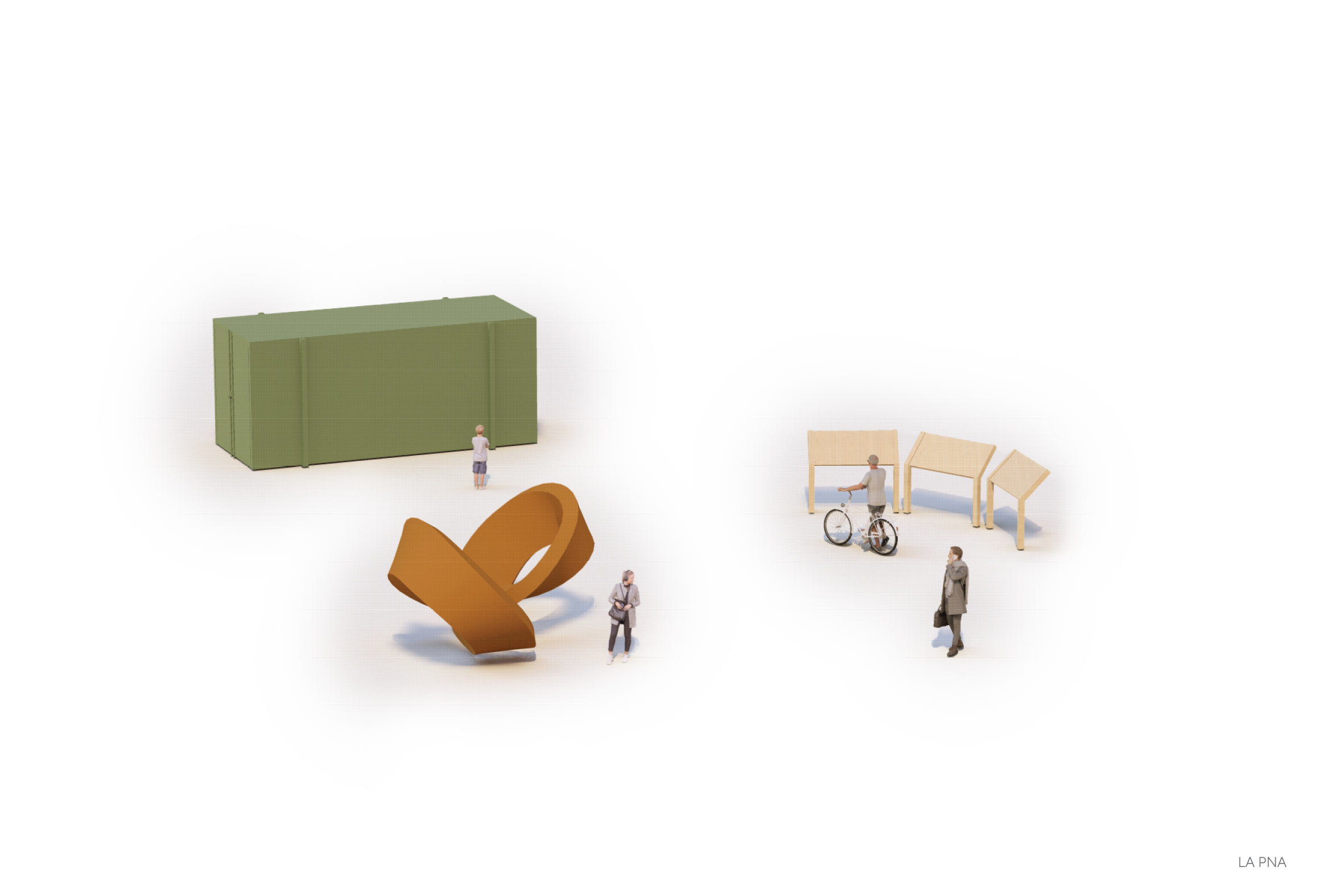
Sample Outcomes
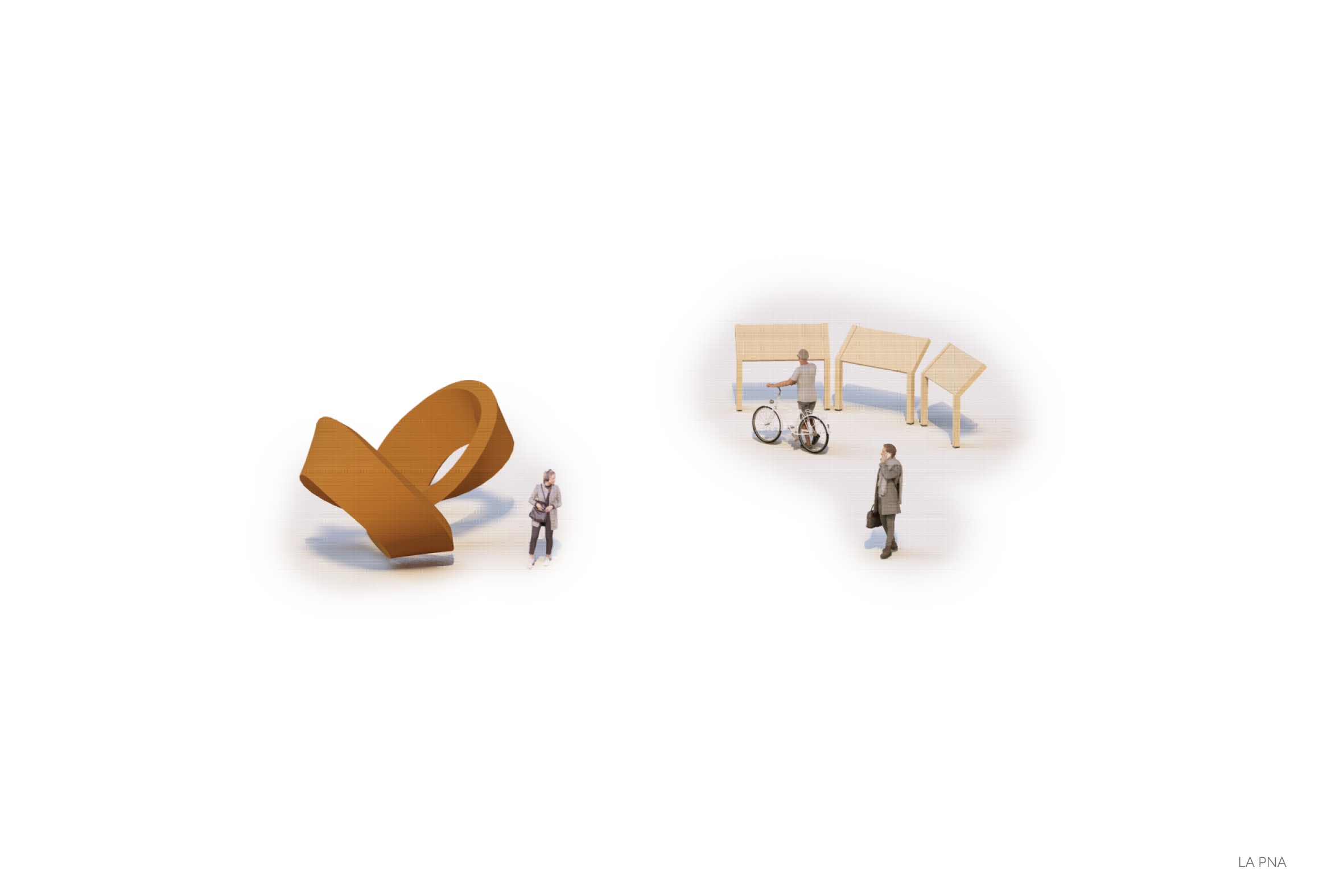
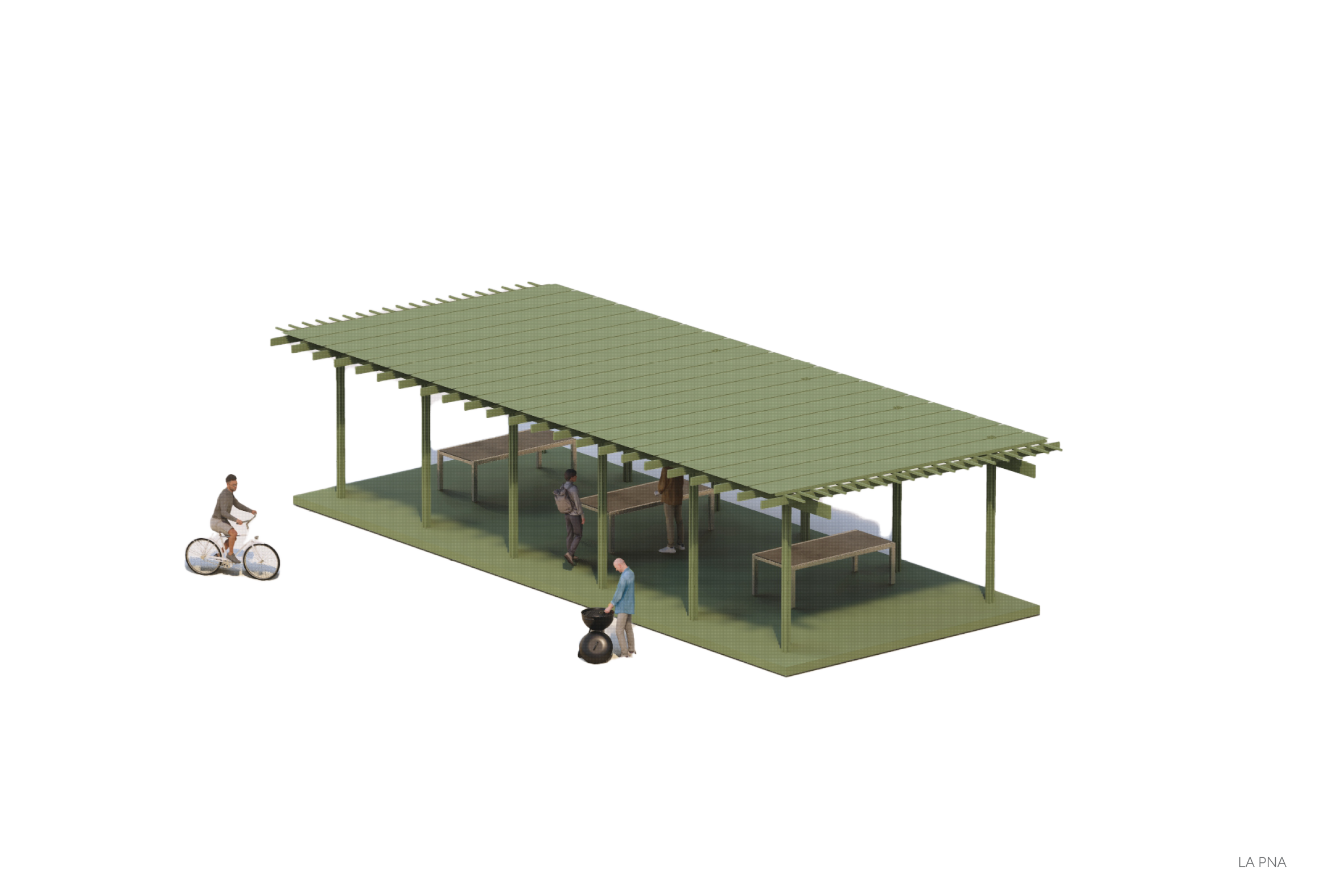
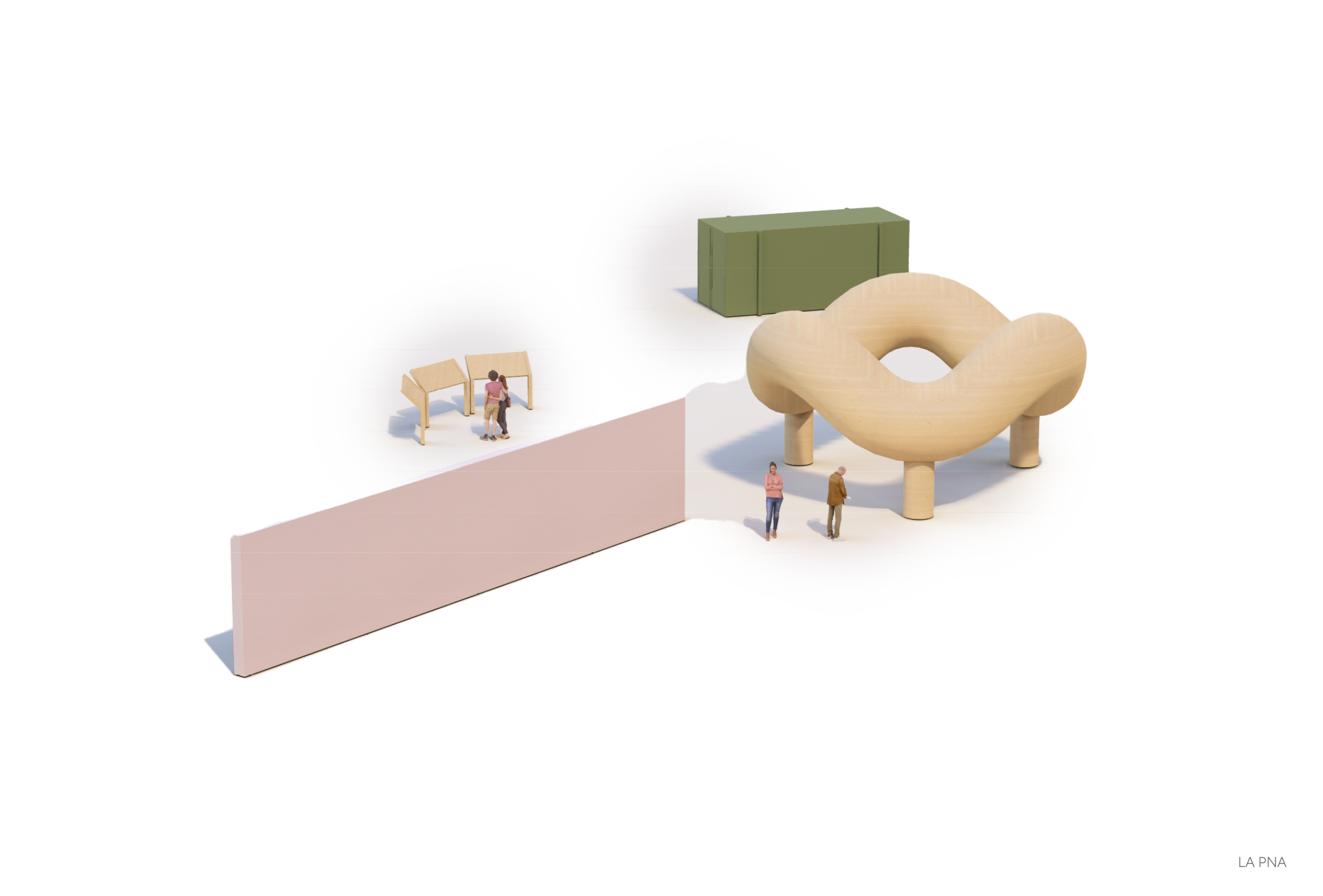
All Linear Parks
| Rank | Prioritization Tier | Park | Size (Acres) | Classification | Region | Composite Score |
|---|---|---|---|---|---|---|
| 90 | 2 | Jacaranda Park | 5.35 | Linear Park | South | 0.713 |
| 156 | 2 | Los Angeles River & Aliso Creek Confluence Park | 2.59 | Linear Park | North | 0.622 |
| 174 | 3 | Bandini Canyon Park | 4.97 | Linear Park | South | 0.600 |
| 196 | 3 | De Garmo Park | 1.64 | Linear Park | North | 0.579 |
| 211 | 3 | Westside Neighborhood Park | 3.98 | Linear Park | South | 0.568 |
| 230 | 3 | El Dorado Avenue Park | 1.18 | Linear Park | North | 0.539 |
| 260 | 3 | Whitnall Highway Park | 10.52 | Linear Park | North | 0.509 |
| 285 | 3 | San Pedro Plaza Park | 3.51 | Linear Park | South | 0.472 |
| 302 | 3 | Old Mission Trail | 13.60 | Linear Park | North | 0.457 |
| 319 | 3 | Watts Cultural Crescent | 2.96 | Linear Park | South | 0.436 |
| 355 | 4 | Alizondo Drive Park | 6.65 | Linear Park | North | 0.388 |
| 408 | 4 | East Wilmington Greenbelt Park | 3.96 | Linear Park | South | 0.323 |