Skip to content
The Department of Recreation and Parks stewards Los Angeles’ park system, providing green space to support residents’ mental and physical health, playgrounds and programs for residents to play, and gathering spaces for families and friends.

Further, RAP delivers essential citywide services, including violence intervention programs like Summer Night Lights; childcare through programs, recreation, and summer camps; and emergency management services, such as operating shelters during crises and cooling centers during heat waves.

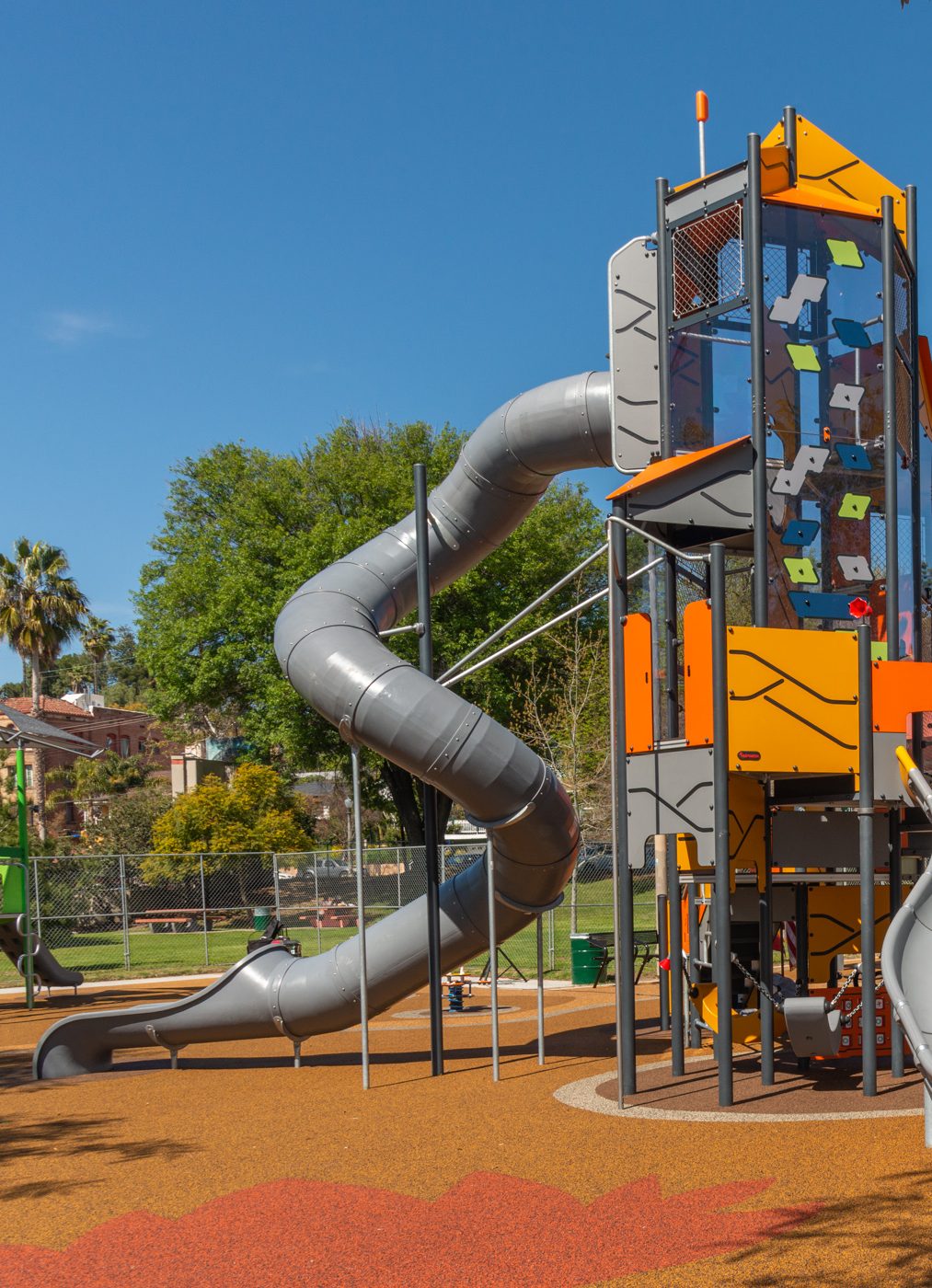
A contemporary playground structure featuring a multi-level climbing tower with colorful climbing panels, enclosed spiral slides, and adjacent shaded seating areas, set within a landscaped park under blue skies.
The playground at Highland Recreation Center provides a variety of features to engage children.
City of Los Angeles Department of Recreation and Parks.

The Park System

The City of Los Angeles park system encompasses more than 16,000 acres of land at around 500 park sites. In addition to parks owned, operated, or managed by the City, other entities such as the federal, state, and county governments as well as land conservancies and non-profits manage, own, and operate parks within City boundaries. All of these parks together are important to the well being of Angelenos.

RAP Parks Organized by Size
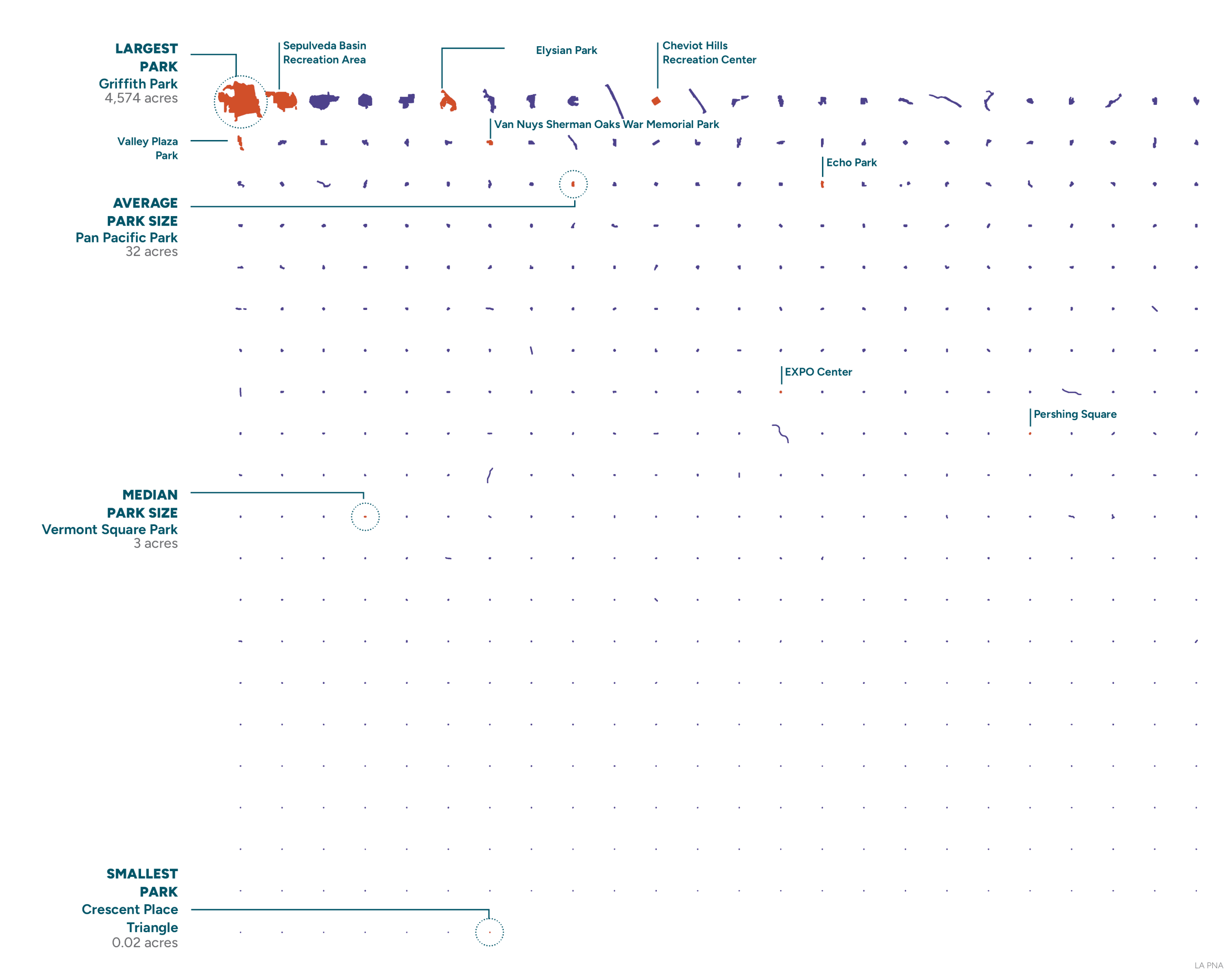
RAP’s parks arranged in order from largest to smallest.
RAP’s parks range in size from tenths to thousands of acres.
OLIN with Park Outlines from the City of LA Data Portal, 2025.

This assessment is focused on parks that are owned, operated, or managed by the City of LA Department of Recreation and Parks (RAP).
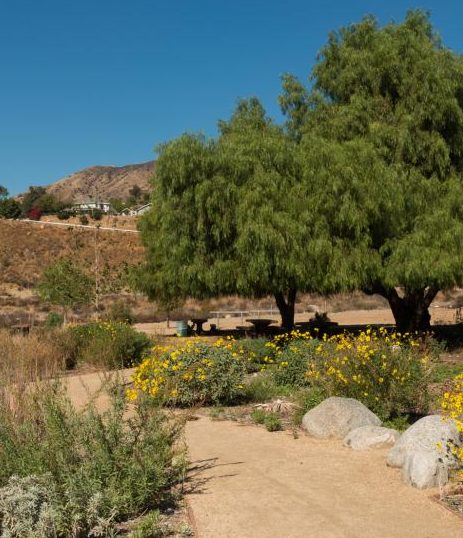
A landscaped park path bordered by native plants and yellow wildflowers, with large shade trees and hills in the background.
A walking trail winds past a shaded picnic area at Oro Vista Park in the Valley.
City of Los Angeles Department of Recreation and Parks.

Existing Classifications

The City currently divides all parks in Los Angeles into one of three park classifications.

Neighborhood Parks
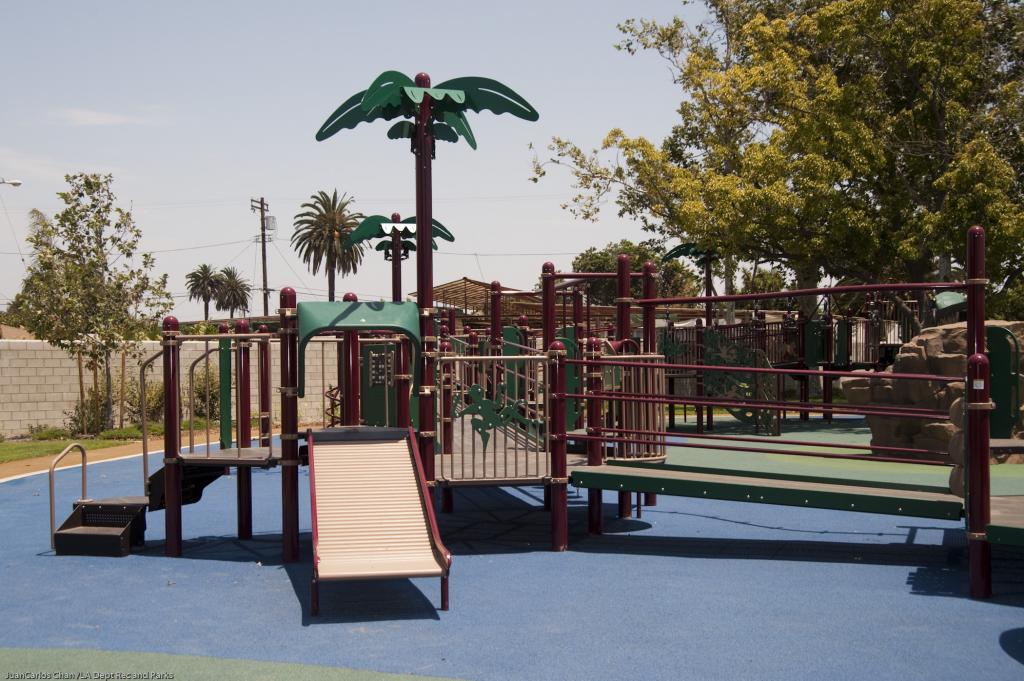
A park playground with a tropical theme is shown. It has a slide, stairs, and various climbing structures. The main support poles are deep red and green, topped with palm tree-shaped shades. The ground is a blue soft surface. Palm trees and other greenery are visible in the background under a clear sky.
The playground at Westside Neighborhood Park has a wildlife theme.
Calvada Surveying, Inc., 2025.

Neighborhood parks provide space and facilities for outdoor and indoor recreational activities. They are intended to serve residents of all ages in the immediate neighborhood and are generally smaller, ranging 1–5 acres in size.

Community Parks
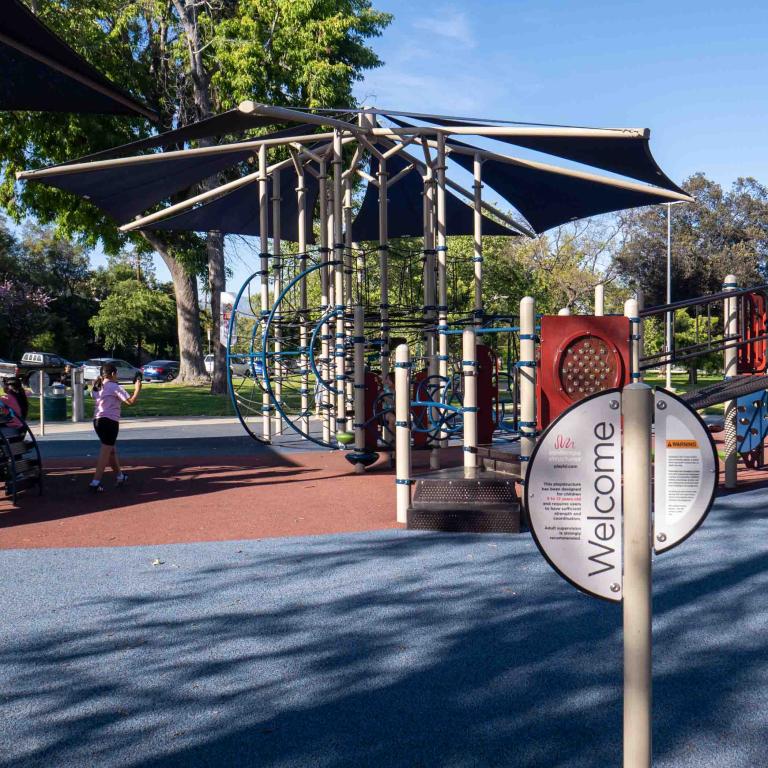
A modern playground is shown with a large, climbable structure that has a series of ropes and shaded canopies. The ground is covered in a blue and red soft surface. A "Welcome" sign is visible in the foreground, and a woman stands near the play area in the background.
Sycamore Grove Park’s playground for children sits right next to an outdoor gym for adults.
City of Los Angeles Department of Recreation and Parks, Accessed 2025.

Community parks are designed to serve residents of all ages in several surrounding neighborhoods. Community park facilities serve a much wider interest range than those of neighborhood parks and are larger in size, ranging 15–20 acres.

Regional Parks
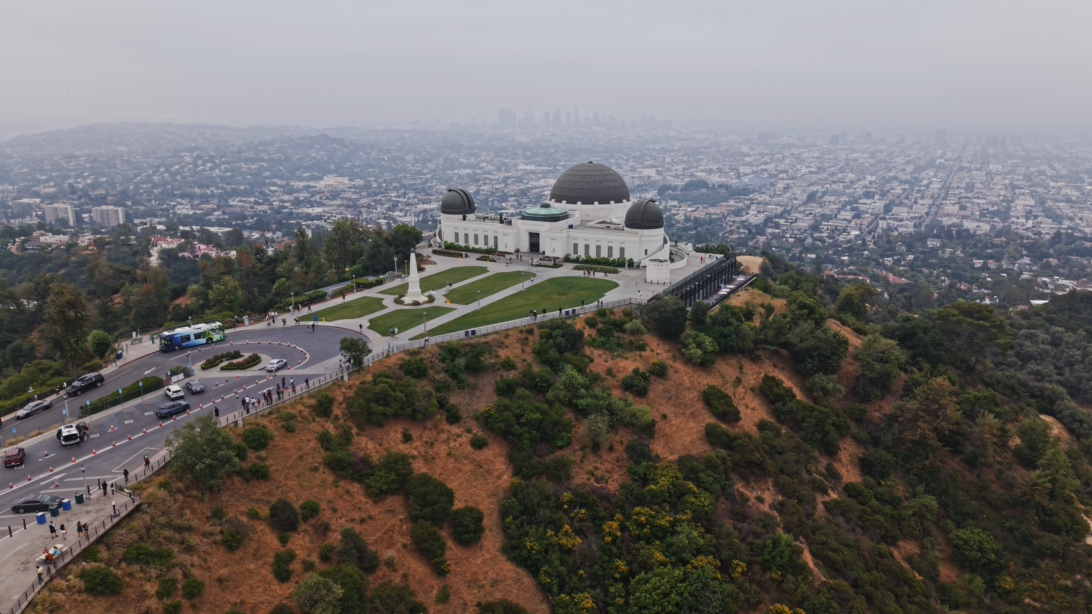
An aerial view of the Griffith Observatory, a white Art Deco building with a large dome, perched on a hill. A winding road leads up to the building, where people are walking on the grounds. The sprawling city of Los Angeles is visible in the background, extending to the horizon under a hazy sky.
Griffith Observatory is perched on a promontory with sweeping views.
Calvada Surveying, Inc., 2025.

Regional parks provide facilities typically found in neighborhood and community parks as well as offering specialized recreation facilities such as lakes, golf courses, wilderness areas, and museums. Regional parks serve residents living throughout the entire city of Los Angeles and are generally over 50 acres in size.

With so few classifications, the current system includes vastly different parks in each category. For example, neighborhood parks include both the 105th St Pocket Park, which is under a quarter of an acre, and Bee Canyon Park, a park over 20 acres. The regional park classification includes Little Landers Park (1.1 acres), Stoney Point Park (29 acres), and Venice Beach (161 acres)—three parks with very different sizes, contexts, and uses. The new system of classifications defined in the PNA more accurately reflects the broad range of sizes, amenities, design, usage, and programming that exist in LA’s recreation and parks facilities today. Additionally, as parts of Los Angeles continue to see increased density, new types of parks and recreation facilities will be needed.

The expanded classification system in the PNA is meant to help set mutual expectations among the City, residents, partner organizations, and developers about how different parks and recreation facilities look and function.
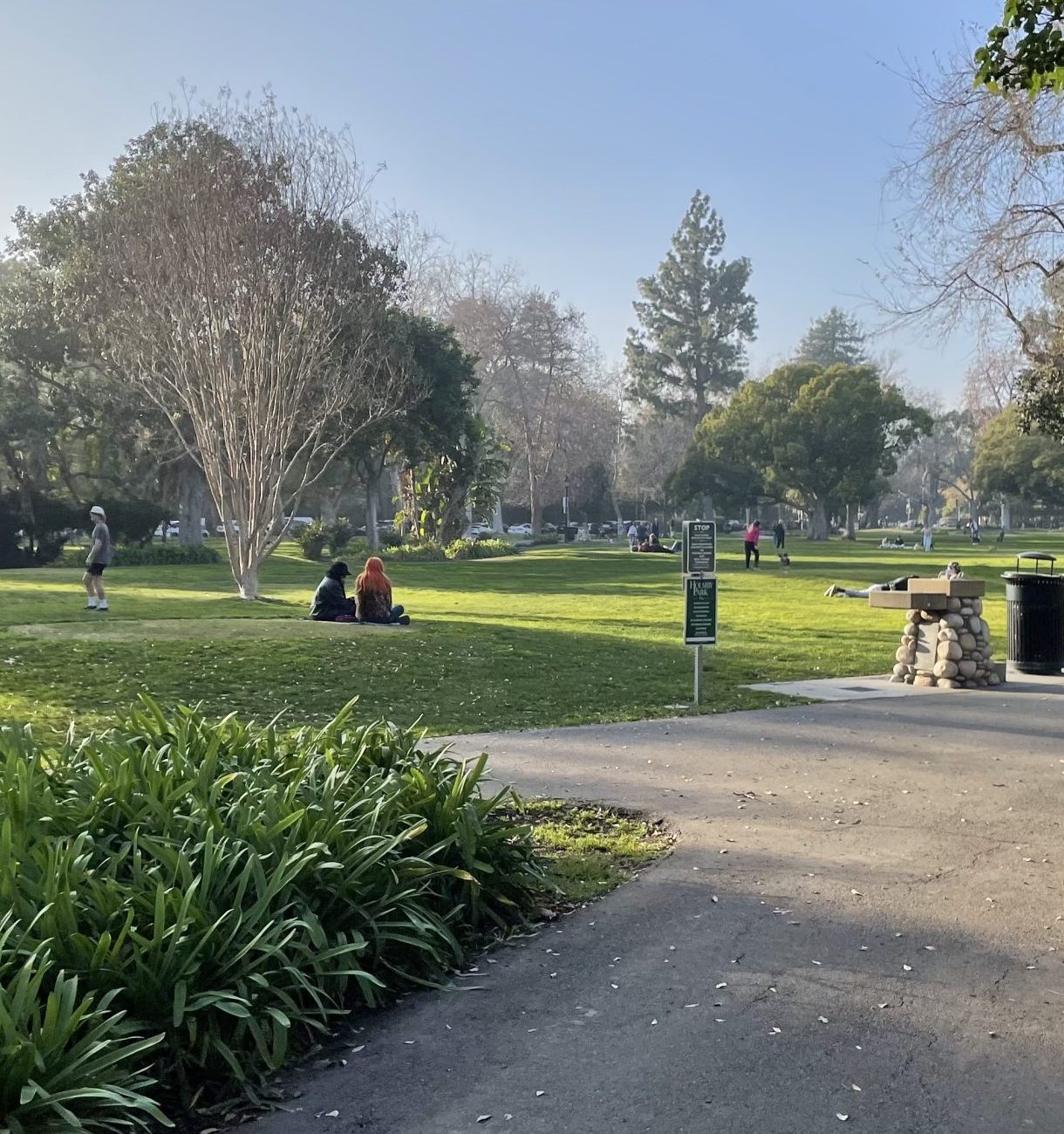
Open grassy park landscape with scattered trees, paved walking path, benches, and visitors sitting or walking throughout the area.
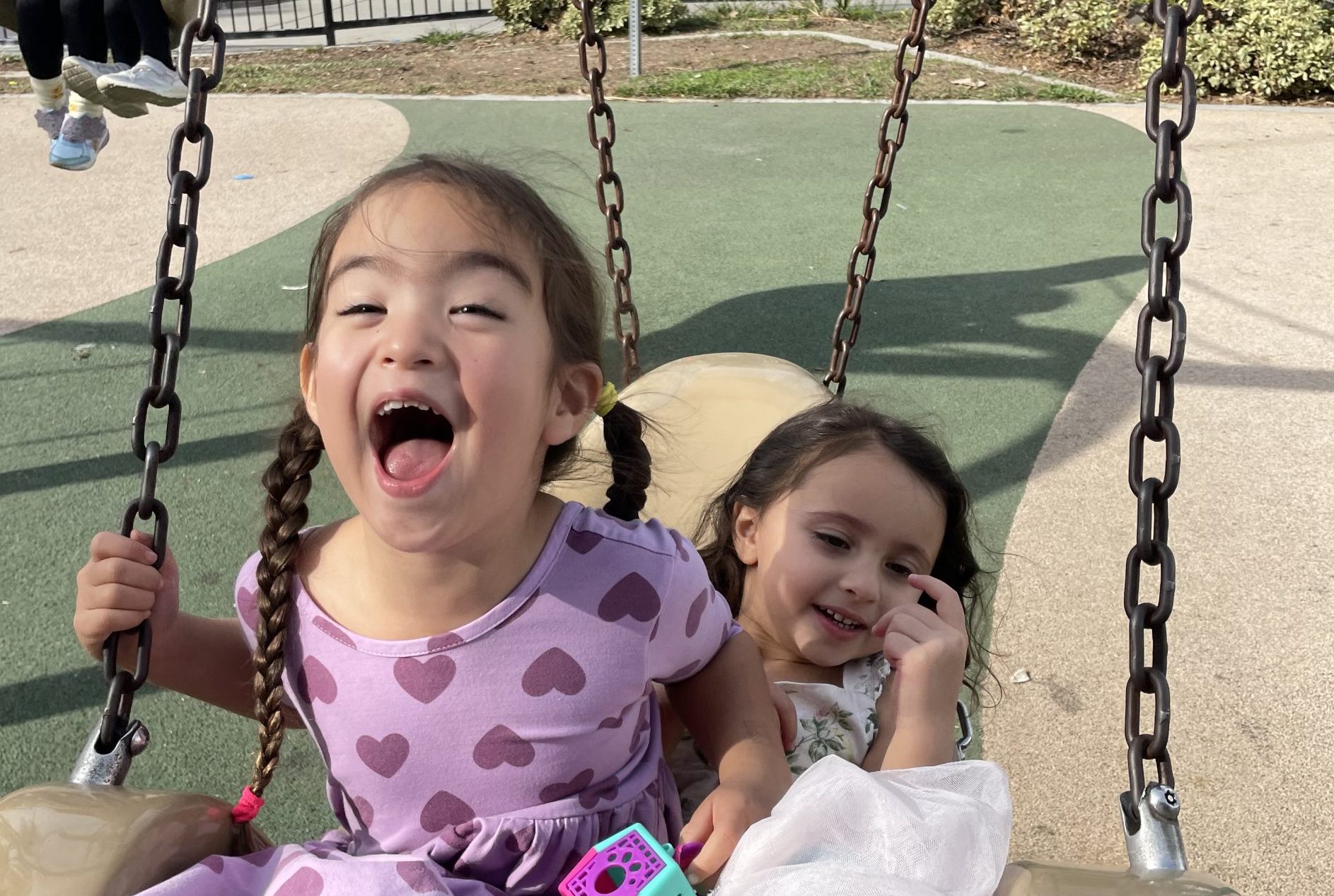
Two young children smiling and laughing while sharing a swing at the playground, with one holding a small toy block.
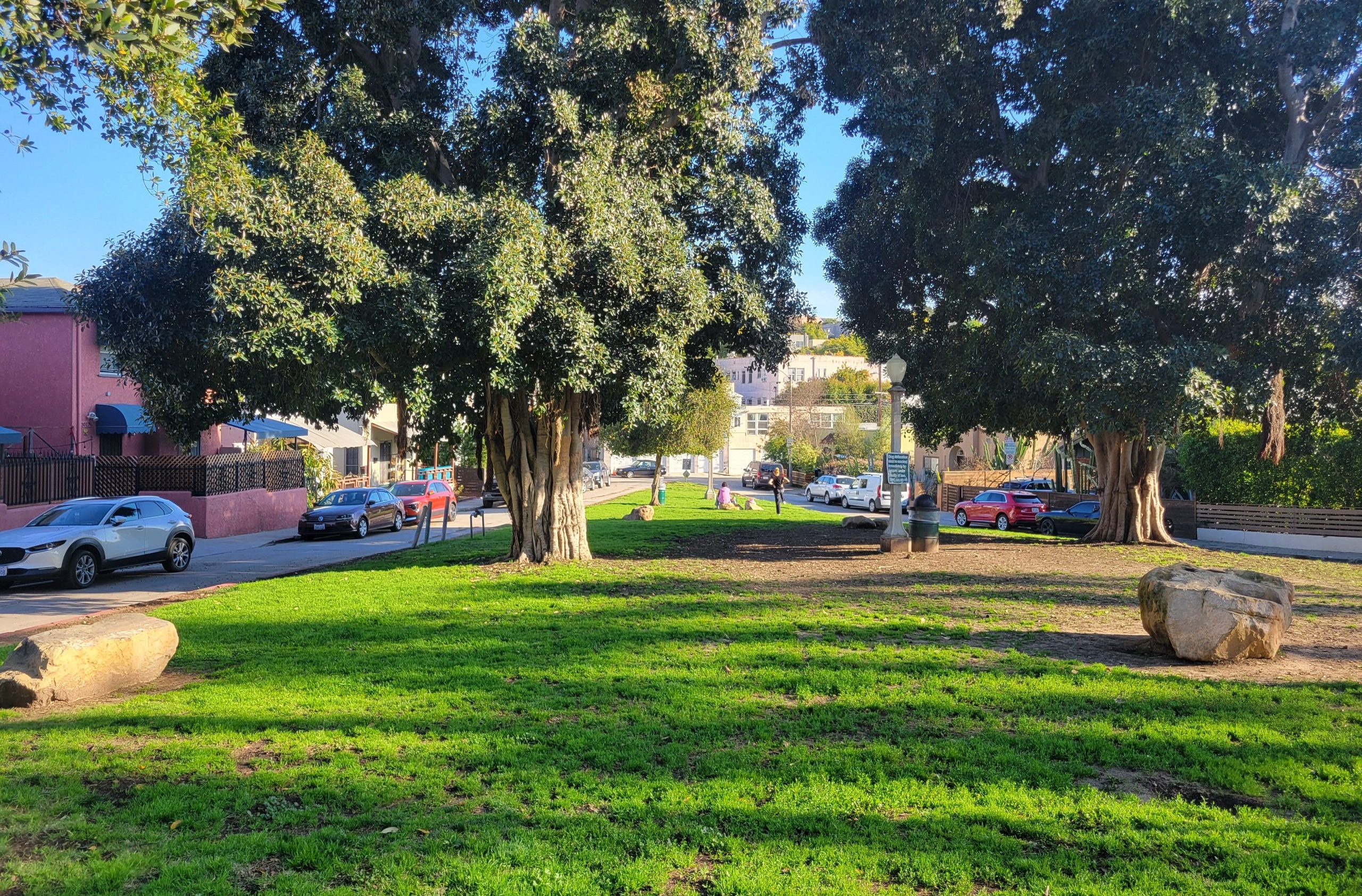
Small neighborhood park with large trees, green grass, and scattered boulders, bordered by residential buildings and parked cars.
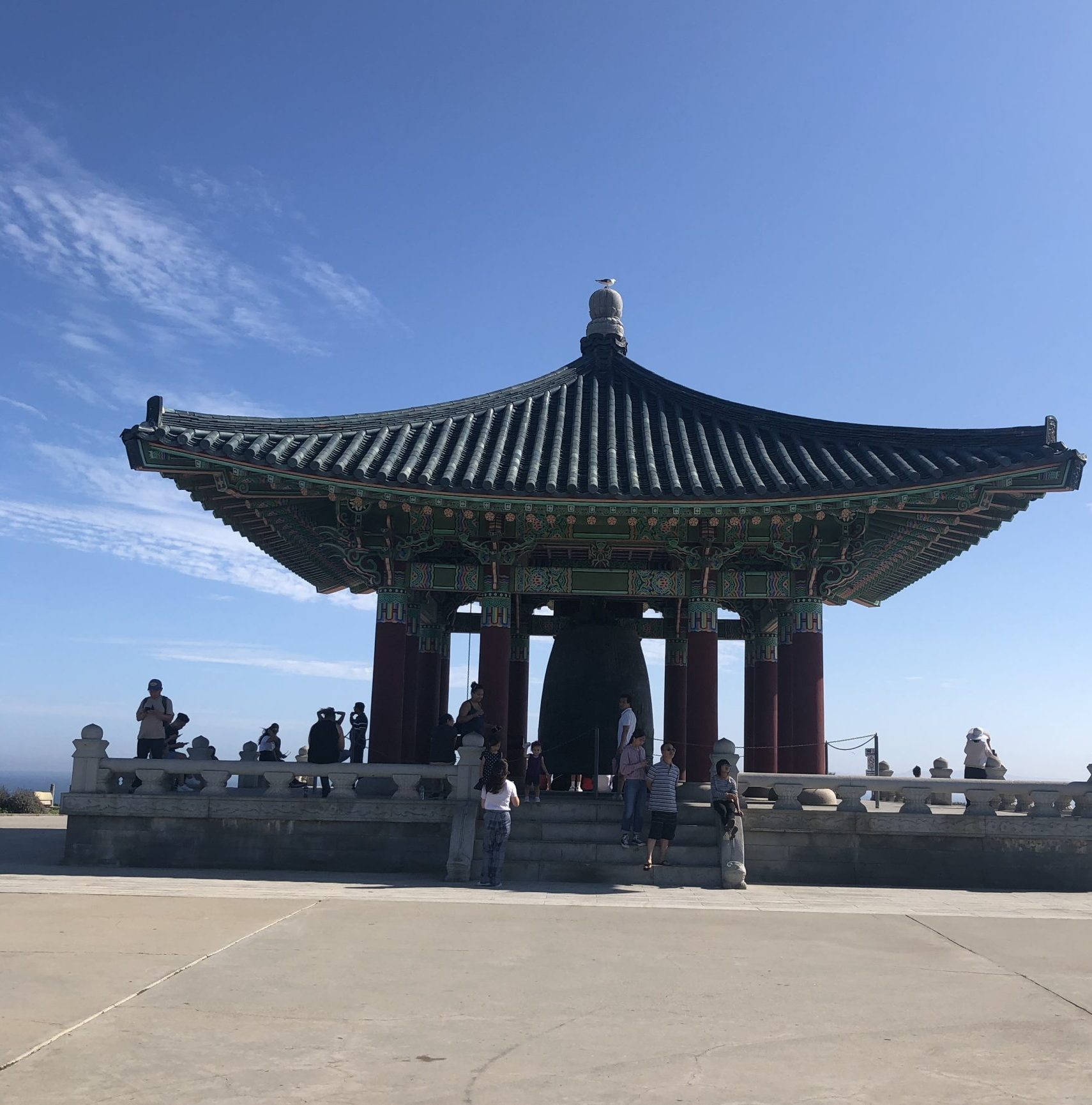
Traditional Korean-style pavilion with a green tiled roof, red columns, and a large bell in the center, situated on a raised stone platform with visitors gathered around.
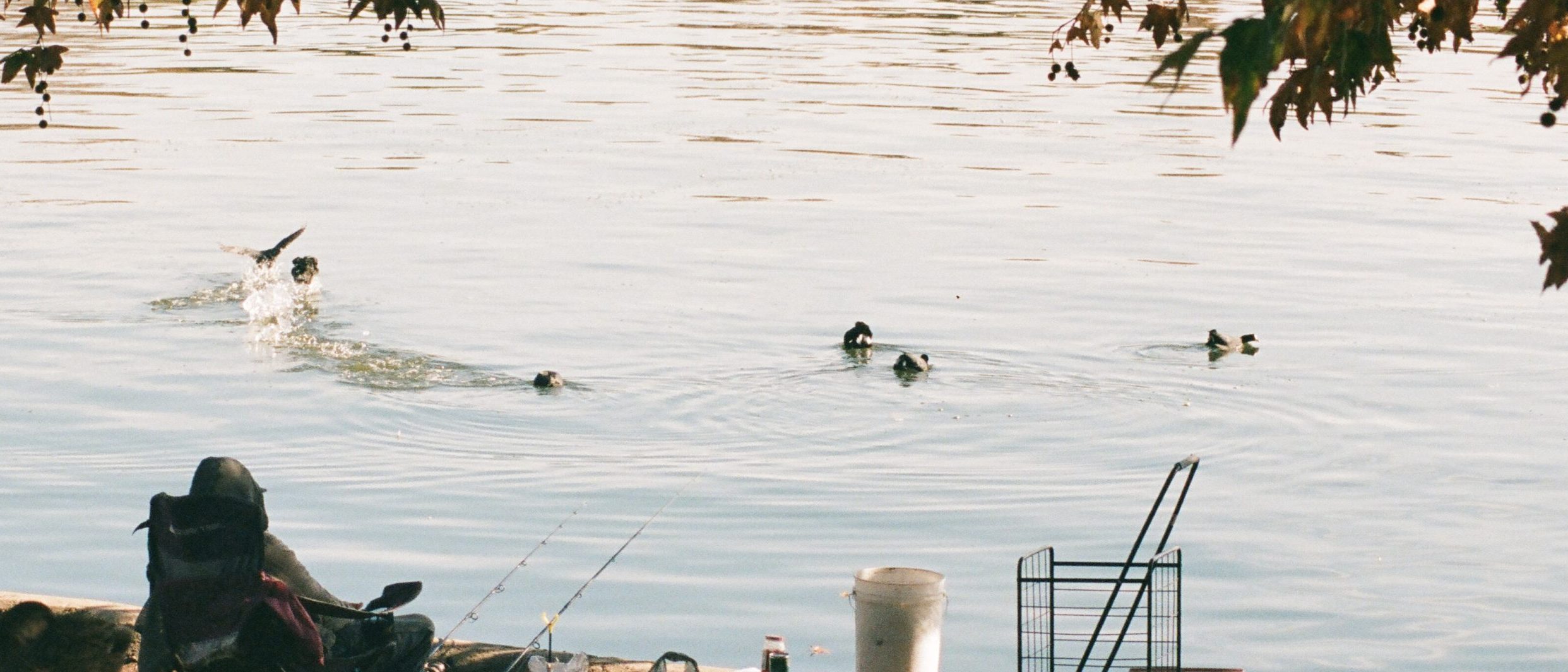
Body of water with ducks swimming and person with fishing polls, a bucket, and a cart on the waters edge.
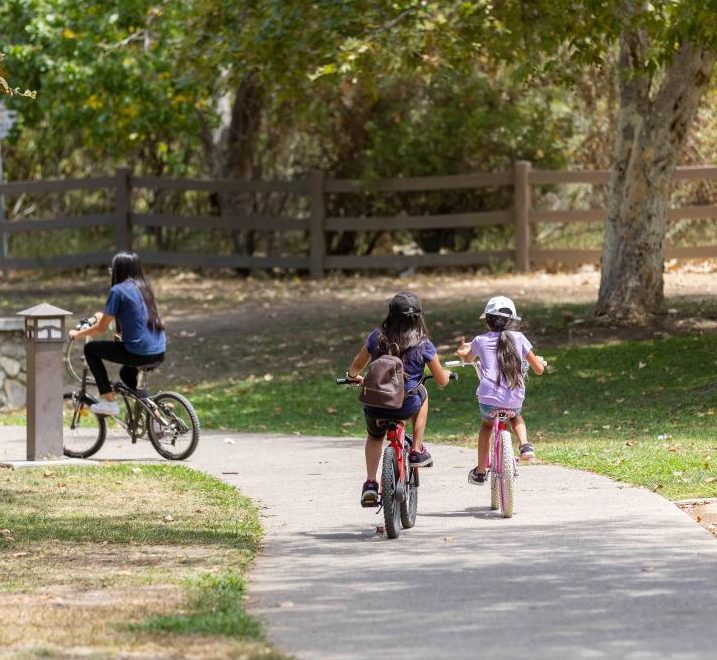
Three children riding bicycles along paved path surrounded by patchy grass and trees.
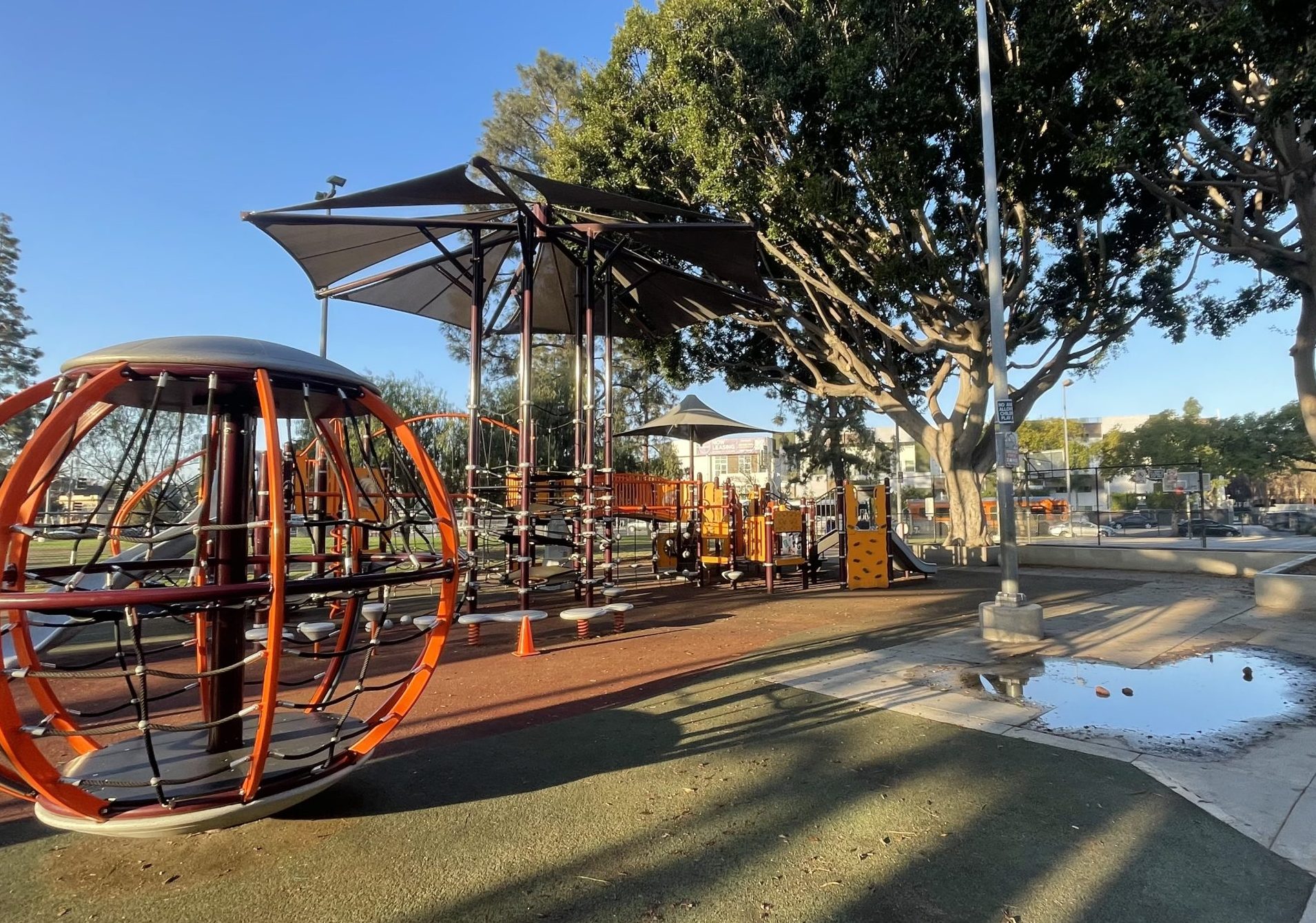
A modern playground on a sunny day. In the foreground, there is a large, orange, spherical climbing structure. A larger, multi-level play structure with slides is visible in the background, shaded by fabric canopies. Trees, a basketball court, and buildings are in the distance.
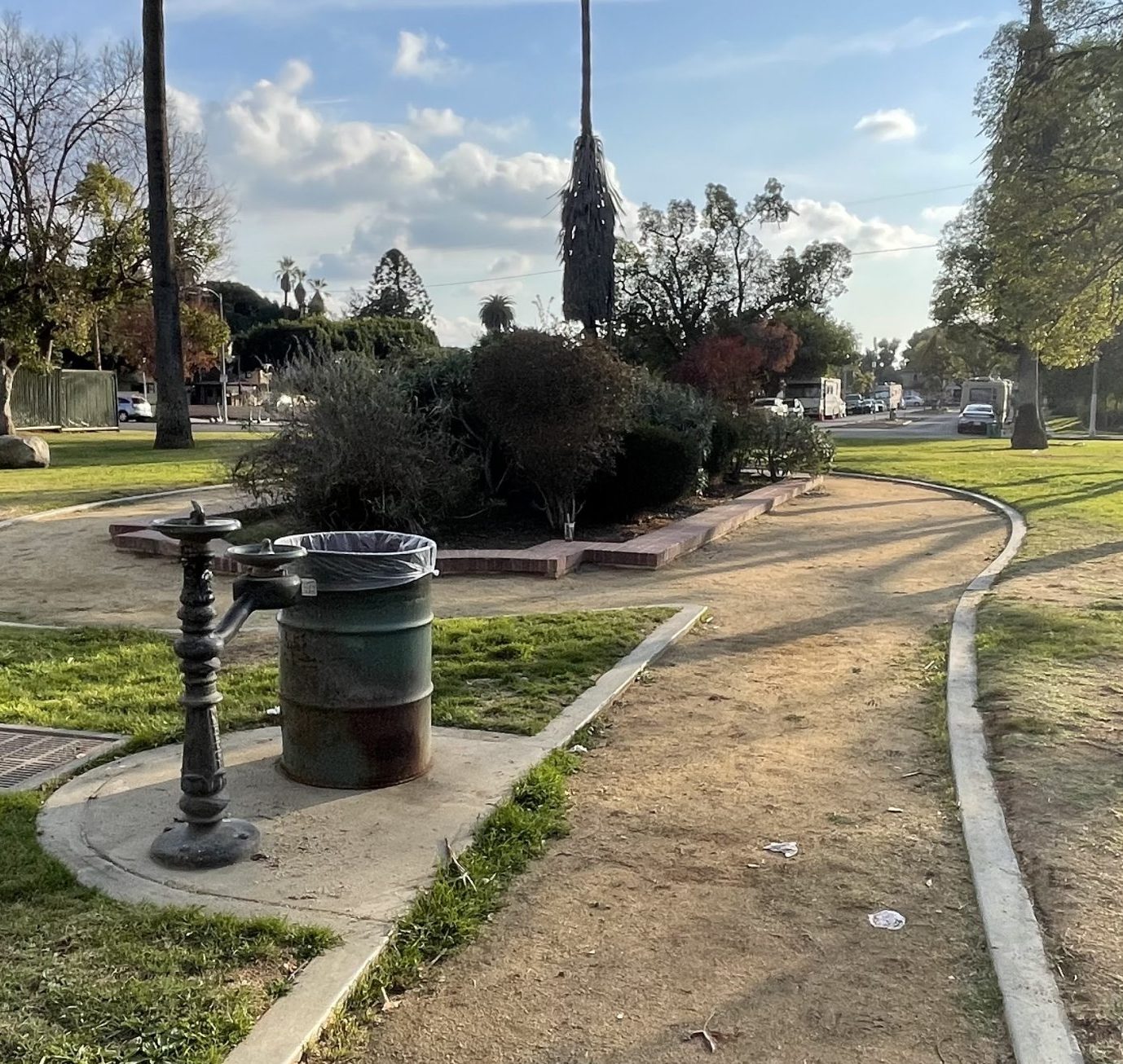
Dirt walking path with water fountain and trashcan on left near bushes and surrounded by green grass.
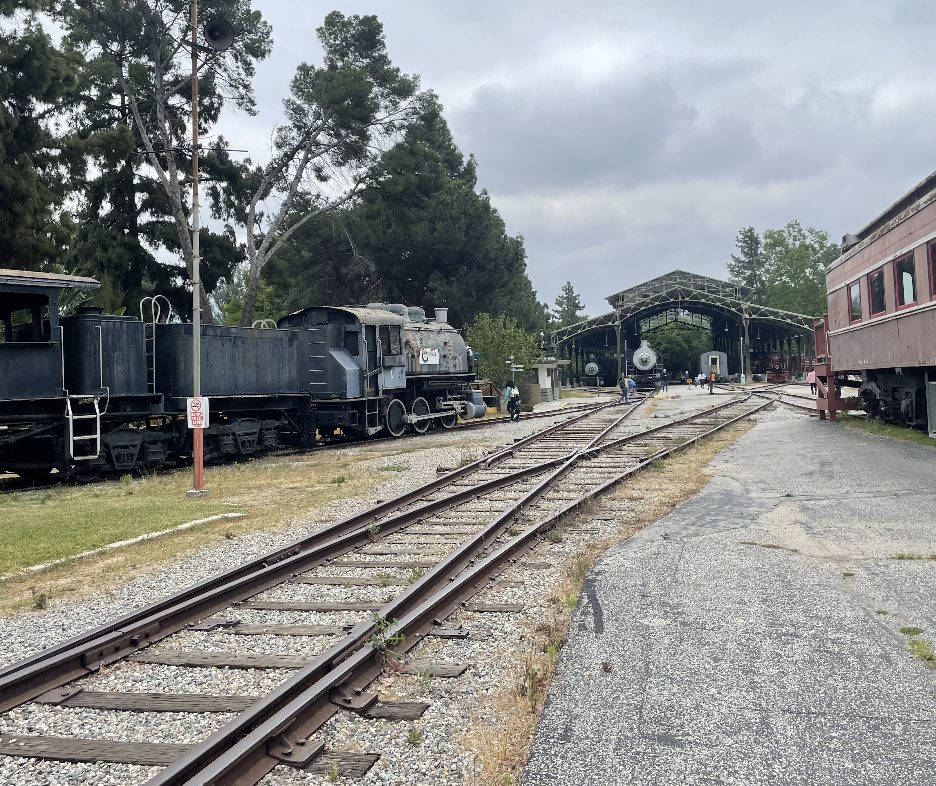
Historic locomotives and railcars displayed along train tracks, with a covered structure and additional rail equipment in the background.
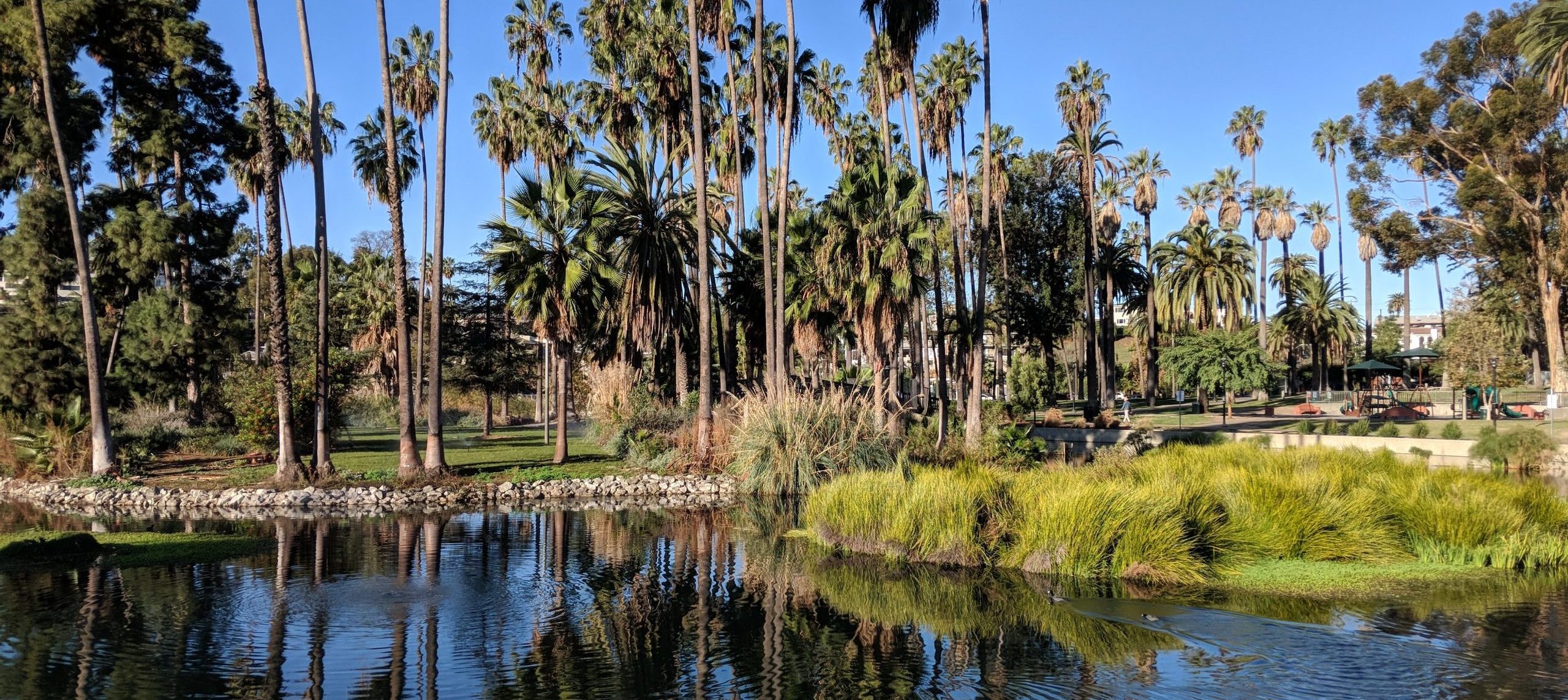
Palm trees and other greenery reflected in a calm pond, with landscaped grass, rocks, and vegetation along the water’s edge under a clear blue sky.
Open grassy park landscape with scattered trees, paved walking path, benches, and visitors sitting or walking throughout the area.Two young children smiling and laughing while sharing a swing at the playground, with one holding a small toy block.Small neighborhood park with large trees, green grass, and scattered boulders, bordered by residential buildings and parked cars.Traditional Korean-style pavilion with a green tiled roof, red columns, and a large bell in the center, situated on a raised stone platform with visitors gathered around.Body of water with ducks swimming and person with fishing polls, a bucket, and a cart on the waters edge.Three children riding bicycles along paved path surrounded by patchy grass and trees.A modern playground on a sunny day. In the foreground, there is a large, orange, spherical climbing structure. A larger, multi-level play structure with slides is visible in the background, shaded by fabric canopies. Trees, a basketball court, and buildings are in the distance.Dirt walking path with water fountain and trashcan on left near bushes and surrounded by green grass.Historic locomotives and railcars displayed along train tracks, with a covered structure and additional rail equipment in the background.Palm trees and other greenery reflected in a calm pond, with landscaped grass, rocks, and vegetation along the water’s edge under a clear blue sky.

Park Amenities

Across the park system, there are thousands of park amenities, including active and passive areas, recreation facilities, habitat or natural areas, trees, and iconic structures like the Griffith Observatory or the Greek Theatre. Since the system is so vast, it can be difficult to encapsulate the extent of features.

During 2024, RAP completed an assessment of about 34 types of recreational amenities at 355 sites. RAP completes this assessment annually.

These amenities are rated as good, fair, or poor and help provide a detailed understanding of a facility’s current condition. These annual condition scores help inform RAP’s decision-making processes regarding maintenance, repairs, and future investments.
16000+
Acres of Parkland
487
Parks
92
Miles of Trails
1711
Full-Time Employees
5000
Part-Time Employees
29
Skate Parks
12
Golf Courses
304
Diamond Fields
39
Amphitheaters
19
Community Gardens
646
Parking Lots
185
Rec & Senior Centers
156
Outdoor Fitness Areas
692
Basketball Hoops
223
Picnic Shelters
18
Concession Stands
51.5
Pickleball Courts
398
Playgrounds
277.5
Tennis Courts
156
Fitness Zones
10
Bandshells
44
Equestrian Rings
3
Roller Hockey Rinks
59
Swimming Pools
13
Splash Pads
1618
Bathrooms
175
Volleyball Courts
3
Disc Golf Courses
1
Nature Center
53
Museums
14
Dog Parks
92
Gymnasiums
199
Multipurpose Fields
109
Rectangular Fields
9
Childcare Buildings
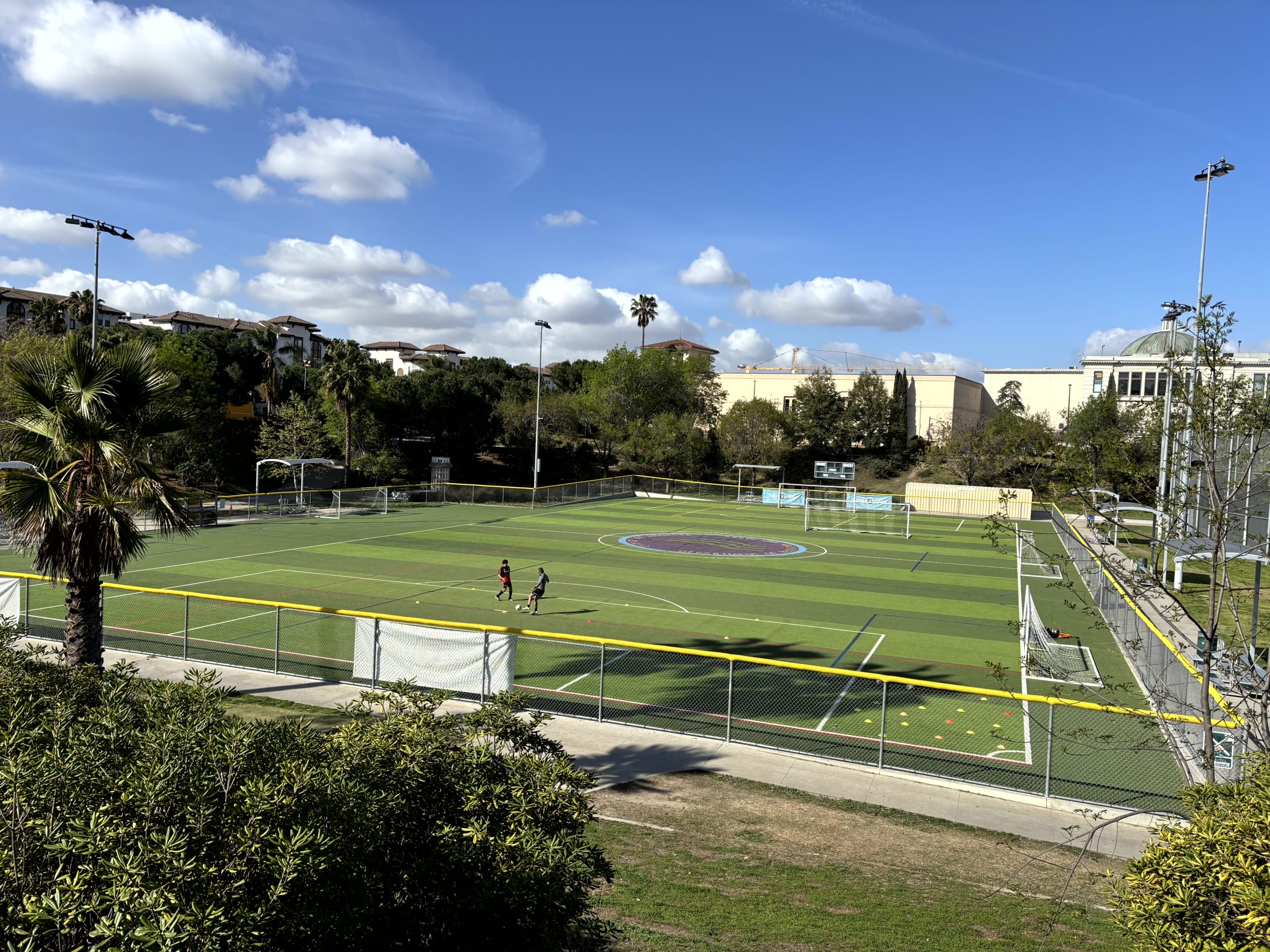
An outdoor artificial turf sports field with soccer goals, surrounded by fencing and trees, under a partly cloudy sky.
People play soccer at Pan Pacific Park in West LA.
OLIN, 2025.
Submit a Comment on the PNA
Download the PNA PDFs
Sign Up for Project Updates

Translate This Site
Follow Us
Back To Top