By establishing clear, population-based benchmarks, the City can proactively plan for the recreation and park needs of both current and future Angelenos, helping to ensure that every community has access to high-quality recreational opportunities. This chapter outlines level of service standards that will help guide the City’s planning and investment strategies to 2050, providing a foundation for creating a more balanced, inclusive, and sustainable recreation and park system across Los Angeles.
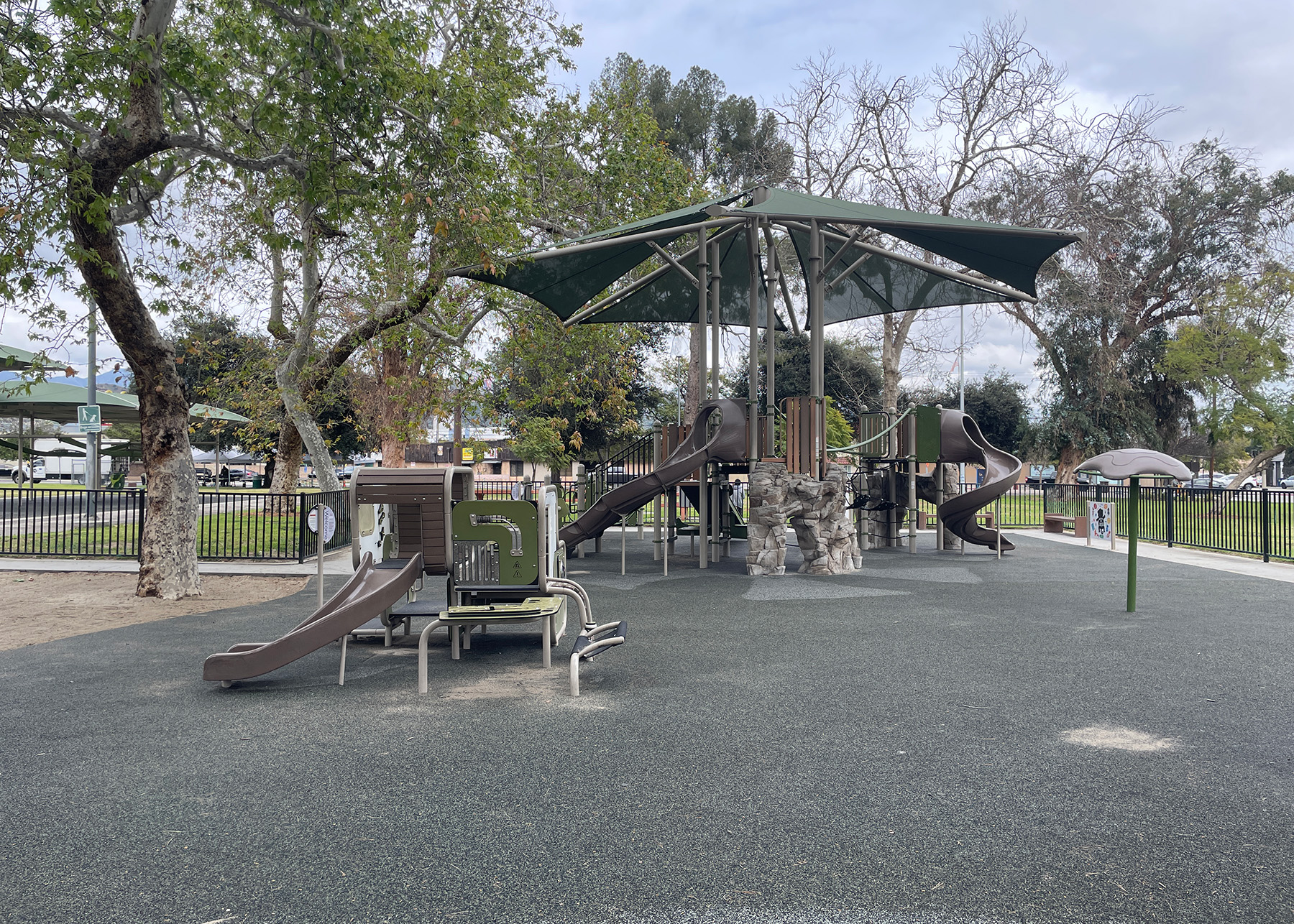
The City of Los Angeles has a robust public space system that seeks to provide residents with convenient access to amenities and services.
No uniform level of service standards exist for parks or recreational amenities across the country. Population-based standards address how many amenities are needed, both now and in the future.
The PNA defines population-based standards by amenity. Using the level of service standards to increase access to recreational amenities could result in different types of actions:
The population-based standards provide a snapshot of the level of service provided by current recreation amenities and a road map for addressing the number of amenities in the future. The level of service standards can be used to help prioritize which actions will increase equitable access to recreational amenities for the most residents.
For this Park Needs Assessment, access considerations were incorporated into identifying the 36 New Park Priority Areas that are part of the Universe of Sites as described in Site Prioritization.
Population-Based Standards
On the following pages are the recommended level of service standards and future amenity counts to meet the median level of service of LA’s peer cities by 2050.
To help set population-based level of service standards, the most common recreation amenities were looked at through four data points:
Population-based level of service is typically expressed as a ratio of number of amenities to population. The current level of service is based on counts of RAP’s existing amenities from RAP’s GIS database within City parks.
Level of service for peer cities is based on the Trust for Public Land’s 2025 City Park Facts, which includes self-reported amenity counts for the 100 most populous cities in the country. The median of the peers’ levels of service was used for comparison.
The PNA’s statistically valid survey asked residents about their households’ needs for various indoor and outdoor amenities and how important those amenities are to their households. Adding together the percentage of households with partially or unmet needs for each amenity with the percentage that said it was among the three most important amenities, the priority investment rating (PIR) indicates residents’ relative priorities for investment.
National participation trends are based on the Sports and Fitness Industry Association’s 2025 Topline Participation Report, which tracks rates of activity over time for Americans aged six and older across various recreational activities. Participation growth or decline on the following pages represents a weighted average of participation trends across activities that use a particular amenity. While the national trends for amenities are useful, it is important to keep in mind they include numbers from localities that may have very different demographics and climates from Los Angeles.
Some data supports raising the current level of service. Other data supports maintaining or lowering the current level of service.
Level of Service Standards Summary
| Amenity | Total RAP Count | Metric | Current Level of Service (LOS) | Peer Median LOS | Priority Investment Rating | 5-Year Change in Participation | Recommended LOS | # of Amenities by 2050 |
|---|---|---|---|---|---|---|---|---|
| Basketball Hoops | 692 | 1/10,000 | 1.8 | 3.8 | 66 | +28% | 3.8 | 1,625 |
| Community Gardens | 19 | 1/1,000 | 0.0 | 0.0 | 127 | – | 0.0 | 176 |
| Diamond Fields | 304 | 1/10,000 | 0.8 | 1.0 | 59 | +6% | 1.0 | 416 |
| Disc Golf Courses | 3 | 1/100,000 | 0.1 | 0.2 | 51 | – | 0.2 | 8 |
| Nature Trails (Miles) | 92 | 1/100,000 | 2.4 | 3.6 | 154 | +29% | 3.6 | 157 |
| Off-Leash Dog Parks | 14 | 1/100,000 | 0.4 | 2.0 | 104 | – | 2.0 | 85 |
| Park Acreage | 16333.31 | 1/1,000 | 4.3 | 9.9 | – | – | 9.9 | 42,704 |
| Pickleball Courts | 51.5 | 1/20,000 | 0.3 | 1.0 | 78 | +473% | 1.1 | 227 |
| Playgrounds | 398 | 1/10,000 | 1.0 | 1.9 | 90 | – | 1.9 | 828 |
| Recreation and Senior Centers | 185 | 1/20,000 | 1.0 | 0.9 | – | – | 0.9 | 202 |
| Rectangular Fields | 109 | 1/10,000 | 0.3 | 0.7 | 65 | +14% | 0.7 | 300 |
| Restrooms | 1618 | 1/10,000 | 4.2 | 1.6 | – | – | 1.6 | 673 |
| Skate Parks | 29 | 1/100,000 | 0.8 | 0.7 | 55 | +40% | 0.7 | 29 |
| Splashpads | 13 | 1/100,000 | 0.3 | 3.5 | 89 | – | 3.5 | 153 |
| Swimming Pools (Outdoor) | 59 | 1/100,000 | 1.5 | 1.4 | 130 | +6% | 1.4 | 62 |
| Tennis Courts | 277.5 | 1/20,000 | 1.4 | 3.1 | 78 | +46% | 3.1 | 679 |
| Volleyball Courts | 175 | 1/20,000 | 0.9 | 0.2 | 53 | +4% | 0.2 | 49 |
| Supports raising the current standard | |
| Supports maintaining the current standard | |
| Supports lowering the current standard | |
| No information available |